October 3, 2025
Staying Healthy this Cold and Flu Season
The Person Centered Services Clinical Corner offers helpful advice for people with intellectual and developmental disabilities from our Clinical Services team.
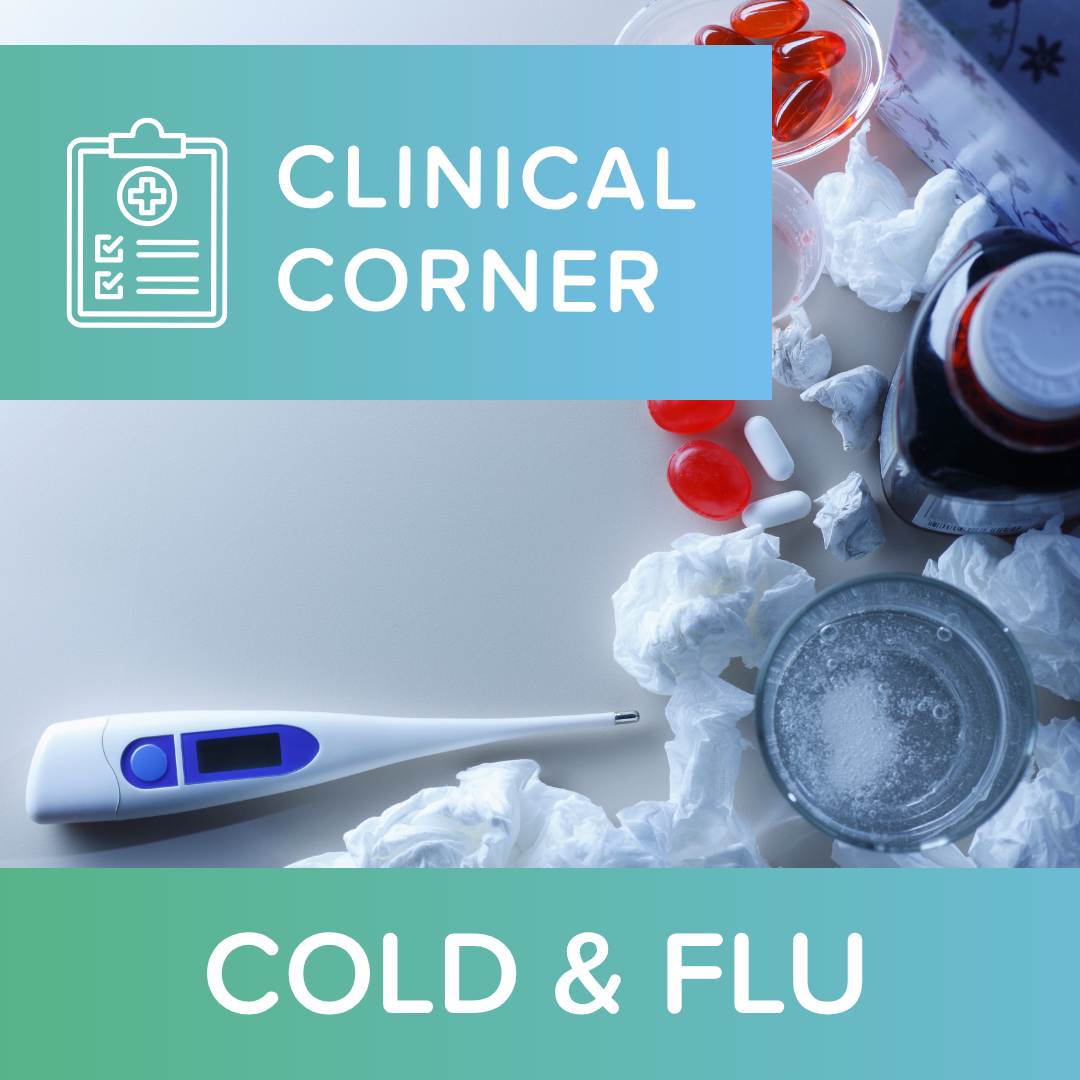
Respiratory illnesses can occur anytime of the year, but cases tend to peak beginning in October through the fall and winter months. Being aware of the symptoms, ways to prevent the spread of illness, treatment options, and when to seek care can help protect you and your loved ones.
What are respiratory illnesses?
– Respiratory illnesses affect your lungs, airways, and breathing.
– Common respiratory illnesses include Respiratory Syncytial Virus (RSV), flu, and COVID-19.
– Symptoms may include but are not limited to cough, congestion, runny nose, headache, sore throat, body or muscle aches, fever, fatigue, weakness, and decrease in appetite.
– Respiratory illnesses can affect anyone and may lead severe illness, hospitalization, and even death.
Risk Factors
Some people are at increased risk of becoming very sick from respiratory illness due to:
– Age (infants, young children, and older adults tend to be most vulnerable)
– Underlying medical conditions (i.e. diabetes and heart, lung, and kidney disease)
– Weakened immune system (may be related to medical condition or treatment such as cancer treatment, organ transplant, or immunosuppressive therapy)
Prevention
There are steps we can call take to protect ourselves and others from respiratory illnesses. These measures are especially important for those of us who may be at increased risk for severe illness or come in contact with others who are:
– Avoid contact with sick people.
– Stay home and avoid contact with others when you are sick. Normal activities can be resumed when symptoms are improving, and you are fever free without fever-reducing medication for 24 hours.
– Practice good hygiene including washing hands thoroughly/frequently and disinfecting commonly touched surfaces.
– Vaccination: Recommendations for flu, COVID-19 and RSV vaccinations vary based on age and health status/history. Consult with your medical provider to determine what vaccines are recommended for you and your loved ones.
– Utilize testing, masking, and physical distancing to prevent spread.
– Seek medical care promptly if you are at increased risk for severe illness.
Treatment
– It is important to consult with your medical provider for guidance on testing for and/or treating respiratory illness, especially for those at risk of becoming very sick.
– Minor respiratory illnesses for those at low risk for complications can often be treated at home with supportive care including rest, fluids, good nutrition, and over-the-counter-medications to treat symptoms.
– Prescription medications such as antibiotics (for bacterial infections) and antivirals (for viral infections) can reduce the severity and duration of symptoms and reduce the risk of severe illness, hospitalization, and death due to respiratory illnesses.
– Seek emergency medical care for severe symptoms such as difficulty breathing, shortness of breath, chest pain, seizures, altered mental status, and uncontrolled fevers.
For more information on respiratory illnesses, immunizations, and hand hygiene visit:
Respiratory Illnesses | Respiratory Illnesses | CDC
Immunizations for Respiratory Viruses Prevention | Respiratory Illnesses | CDC