April 22, 2026
Healthy Vision Month: Why Eye Health Matters
The Person Centered Services Clinical Corner offers helpful advice for people with intellectual and developmental disabilities from our Clinical Services team.
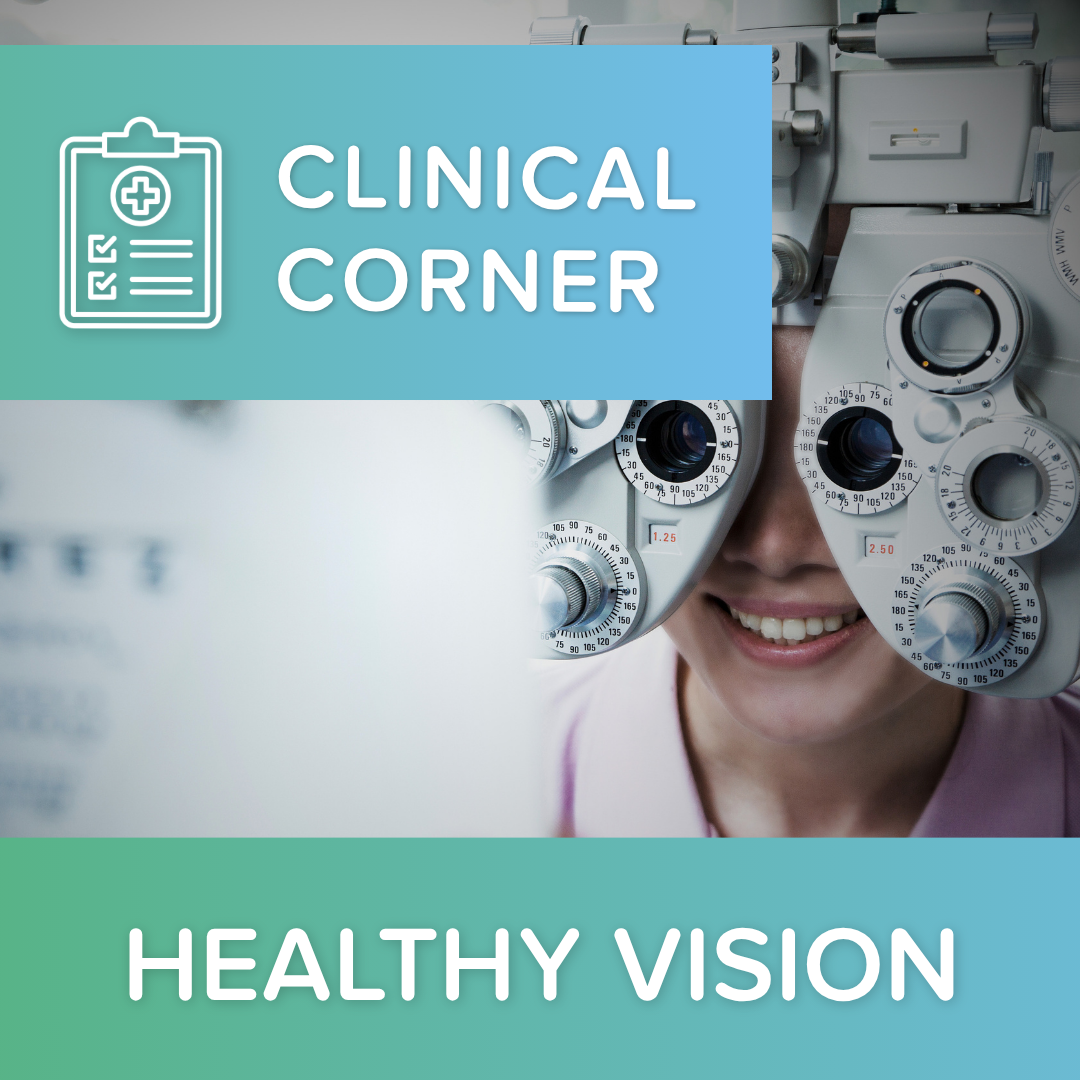
Each May, Healthy Vision Month highlights the important role vision plays in our lives. Established by the National Eye Institute (NEI) in 2003, this observance focuses on educating the public about the importance of eye health and safety. The theme “Healthy Lives, Healthy Eyes” emphasizes the importance of healthy lifestyle choices to protect vision and reduce the risk of eye diseases.
Good vision supports independence, safety, learning, and quality of life. Making eye health a priority doesn’t just protect sight it supports long-term wellness.
During Healthy Vision Month, individuals and organizations are encouraged to schedule eye exams for themselves and loved ones, share resources, and provide education to help people understand how to care for their eyes and recognize risk factors early.
The Importance of Eye Health
Our eyes are closely connected to our overall health. Medical conditions such as diabetes, high blood pressure, some autoimmune diseases, age-related macular degeneration, glaucoma, and cataracts can impact eye health and vision. Many eye conditions develop silently, without noticeable symptoms, until vision loss has already occurred. The good news is, many causes of vision impairment are preventable or manageable with early detection and healthy habits.
Key Steps to Protect Your Vision
1. Get Regular Eye Exams
A comprehensive, dilated eye exam is the single most important step you can take for your eye health. Routine exams allow eye care professionals to detect problems early, when treatment is most effective. Even if your vision seems fine, regular exams can catch issues you may not notice on your own.
2. Make Healthy Lifestyle Choices
Healthy lifestyle choices protect not only your vision, but your overall health. These healthy habits can reduce the risk of eye disease and vision loss:
– Eat a balanced diet rich in dark leafy greens, colorful fruits and vegetables, and foods high in omega-3 fatty acids like salmon and tuna.
– Stay physically active to reduce the risk of diabetes, high blood pressure, and high cholesterol.
– Quit smoking, which increases the risk of cataracts, macular degeneration, and optic nerve damage.
3. Protect Your Eyes Every Day
Take action to prevent injury and reduce eye strain:
– Wear sunglasses that block UV rays when outside, even on cloudy days.
– Use protective eyewear when playing sports or using tools.
– Looking at screens can contribute to eye fatigue. Following the 20-20-20 rule when using computers or other screens (every 20 minutes, look at something 20 feet away for 20 seconds) allows the muscles in the eyes to relax.
– Practice good contact lens hygiene and always wash hands before touching the eyes to prevent infection.
Understanding Your Risk for Eye Disease
As we age, the risk for eye disease increases. You may also be at higher risk if you are overweight or obese, have a family history of eye disease, have diabetes or high blood pressure, or identify as African American, Hispanic, or Native American.
Knowing your family’s health history is especially important, as conditions such as glaucoma and age-related macular degeneration can run in families. Be sure to share this information with your eye care provider.
Healthy Vision for People with Disabilities
Healthy vision plays a crucial role in independence and daily functioning, especially for people with disabilities. People with developmental disabilities may experience unique challenges related to vision health and are often at higher risk for undetected vision problems. Comprehensive eye exams are essential, along with accessible vision care services and facilities.
Low vision devices such as magnifiers, assistive technologies, mobility aids, and communication tools can support functional independence. Access to community resources and trained providers helps ensure that vision care is inclusive and accessible for everyone.
Free and Low-Cost Vision Resources
There are many local and national resources available to support individuals with vision loss, limited access to eye care, or need for financial assistance including:
– Western New York Center for the Visually Impaired – Vision rehabilitation, adaptive equipment, and mobility training
– VIA (Visually Impaired Advancement) – Education, job training, and support services
– 211 – Free, confidential connections to low-cost vision and health services
– National Eye Institute – provides list of programs across the U.S. that provide free and low-cost vision resources
A Final Reminder
Healthy Vision Month is a reminder that protecting your sight starts with everyday choices. Regular eye exams, healthy habits, and early intervention can help preserve vision now and into the future. By prioritizing eye health for ourselves and those in our communities, we can reduce vision loss, maximize quality of life, and ensure that everyone has the opportunity to lead a fulfilling life.
Visit the National Eye Institute’s website for more tips and resources on eye health.